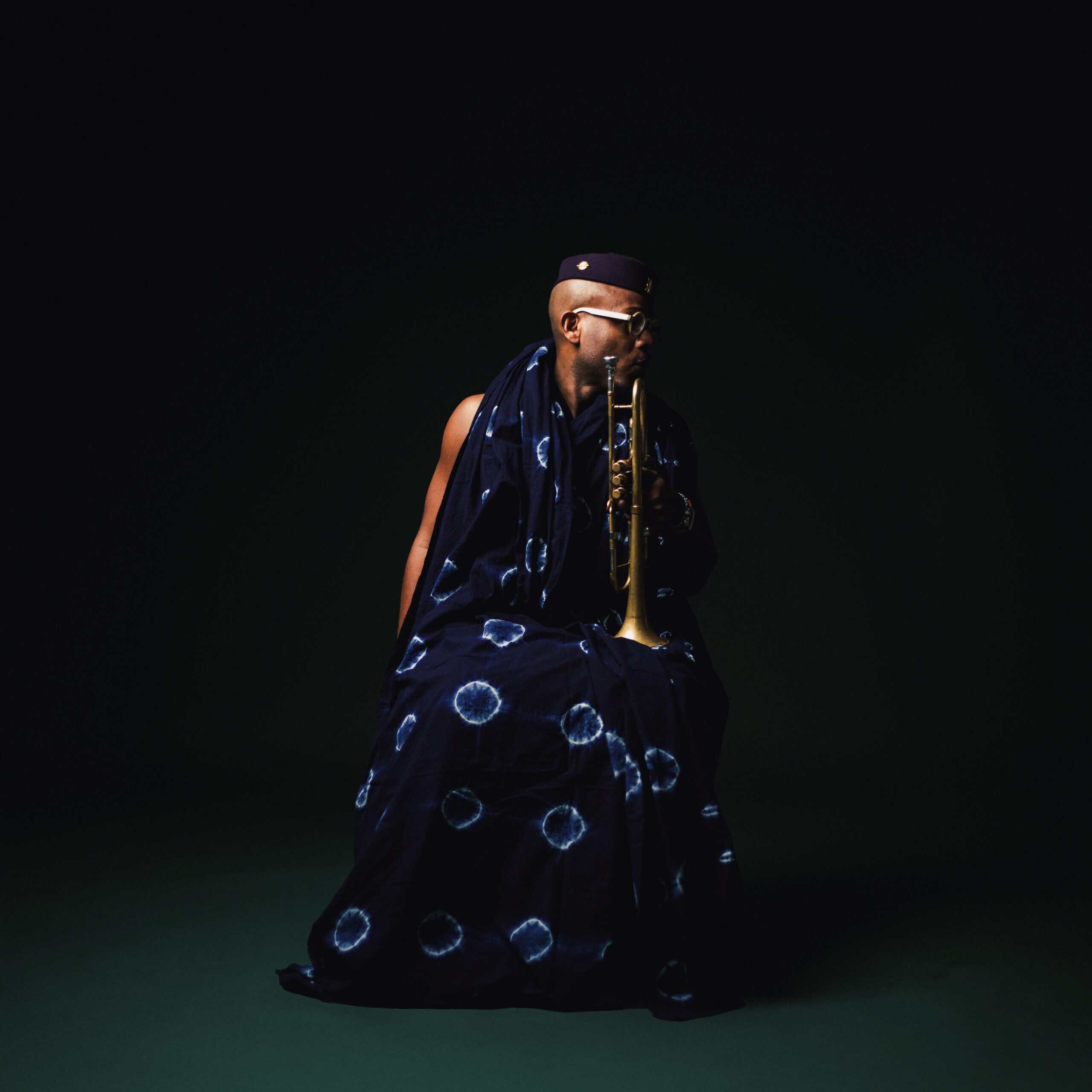
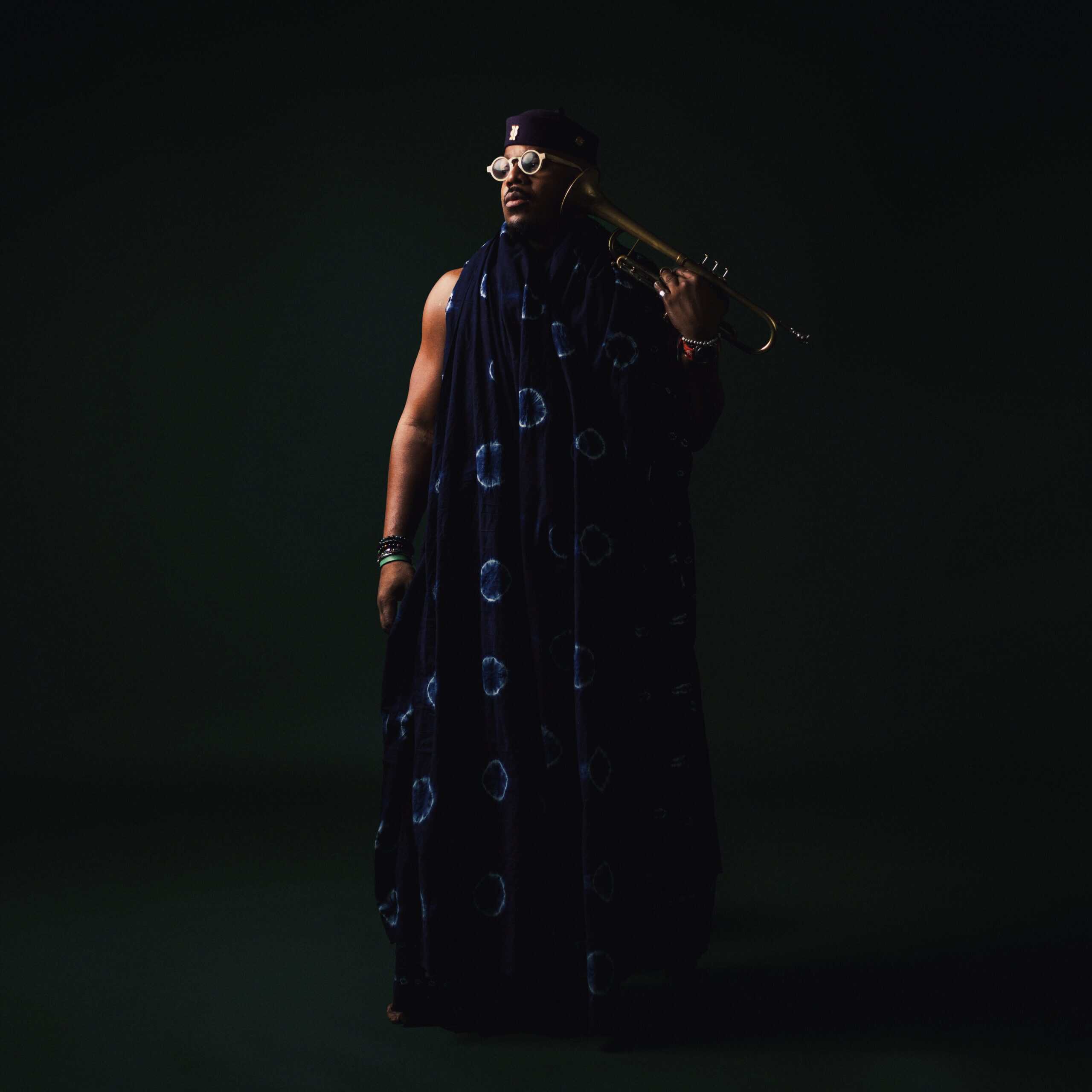
In addition to his featured performance at the Springfield Jazz & Roots Festival, trumpeter, composer, and sonic storyteller Etienne Charles will take part in a special public conversation inspired by his Gullah Roots project. Drawing from his travels through Gullah Geechee communities in coastal South Carolina and Georgia, the talk invites audiences deeper into the history, cultural memory, and living traditions that shape the music. Presented during festival weekend, the program will feature Charles in dialogue with a Gullah historian from the ensemble and a local moderator.
Together, they will explore the history of the Gullah Geechee people, descendants of enslaved Africans who preserved and remade culture across the coastal South. The conversation will reflect on Gullah as more than a subject of study: a way of life shaped by food, language, rhythm, community, spirituality, and everyday creativity. It will also help illuminate how Gullah history connects to America’s 250th anniversary by tracing the presence, knowledge, and cultural force of African-descended people within the broader story of the nation’s making.
Through storytelling, video clips, and audience Q&A, the program will offer a fuller understanding of how history lives inside sound. Charles will speak about how the suite’s compositions were shaped by Gullah musical traditions, including call-and-response, handclaps, foot stomps, syncopation, and other rhythmic practices that carry memory across generations. For Springfield audiences, the event creates a welcoming space for learning, connection, and reflection—especially for youth, families, and community members who want not only to hear the music, but to better understand the stories, survival, and freedom traditions that live within it.